The Moving Countdown: When Should You Start Packing Your Home?
Packing an entire home takes longer than most people expect. Between sorting through closets, wrapping fragile belongings, and deciding what to keep, it's easy to underestimate the work involved. Starting early gives you time to organize your belongings without turning your home upside down weeks before moving day. So, how far in advance should you start packing for a move? For most households, four to six weeks is a reasonable starting point. Larger homes or moves that involve downsizing may require eight weeks or more, while smaller apartments can sometimes be packed in two to three weeks. The right timeline depends on how much you own and how much time you can dedicate to packing. If you're preparing for a move in Palmdale, having somewhere to keep packed belongings can also make the process easier. At Stor-All Self Storage, we offer storage options in Palmdale for residents who need additional room while preparing for their next home.
How Early Should You Start Packing Before Moving?
Ideally, you should begin preparing for your move about six to eight weeks before your moving date, even if you aren't ready to put everything into boxes. This gives you time to sort through belongings, gather supplies, and identify furniture or appliances that need special handling. Actual packing can begin around four to six weeks before the move. Start with belongings you rarely use and gradually work toward everyday essentials. You'll avoid having to unpack boxes just to find something you need before leaving. The size of your home also affects your schedule. Someone moving out of a studio apartment won't need the same preparation time as a family packing a four-bedroom house. If you're moving while working full-time, leave additional room in your schedule for evenings and weekends.
Six to Eight Weeks Before Moving: Declutter and Make a Plan
Before you start filling boxes, decide which belongings are coming with you. Packing items you no longer need creates unnecessary work and takes up valuable space in your moving truck. Go through closets, cabinets, and areas where things accumulate over time. Separate belongings you plan to keep from items you can donate, sell, or dispose of. If you're downsizing, measure larger furniture pieces and compare them with the dimensions of your new home before deciding what to move. This is also a good time to estimate how many boxes you'll need. Take inventory of each room and identify belongings that require special packing materials, such as mirrors, artwork, or electronics.
Gather Your Packing Supplies Early
Running out of boxes halfway through packing can interrupt your schedule, especially when moving day is approaching. Purchase or collect supplies before you begin so you can work through rooms without frequent trips to the store.
Useful packing supplies include:
- Small and medium moving boxes for books, kitchenware, and household belongings
- Large boxes for lightweight items such as bedding and pillows
- Packing tape and a tape dispenser
- Packing paper or bubble wrap for fragile items
- Permanent markers and labels
- Furniture blankets and protective covers
Choose smaller boxes for heavy belongings. A large box filled with books becomes difficult to lift and increases the chance of the bottom giving way.
Four to Six Weeks Before Moving: Pack What You Rarely Use
Once you've finished sorting, begin packing belongings you won't need before moving day. This is usually the easiest stage because these items can remain boxed without affecting your daily routine. Seasonal decorations, books you've already read, framed pictures, and spare bedding are good places to start. If you have a guest room that won't be used before the move, you can pack most of its contents early. Avoid packing everything from several rooms at once. Finishing one area before moving to another makes it easier to track your progress and prevents half-filled boxes from spreading throughout the house.
Label Boxes as You Pack
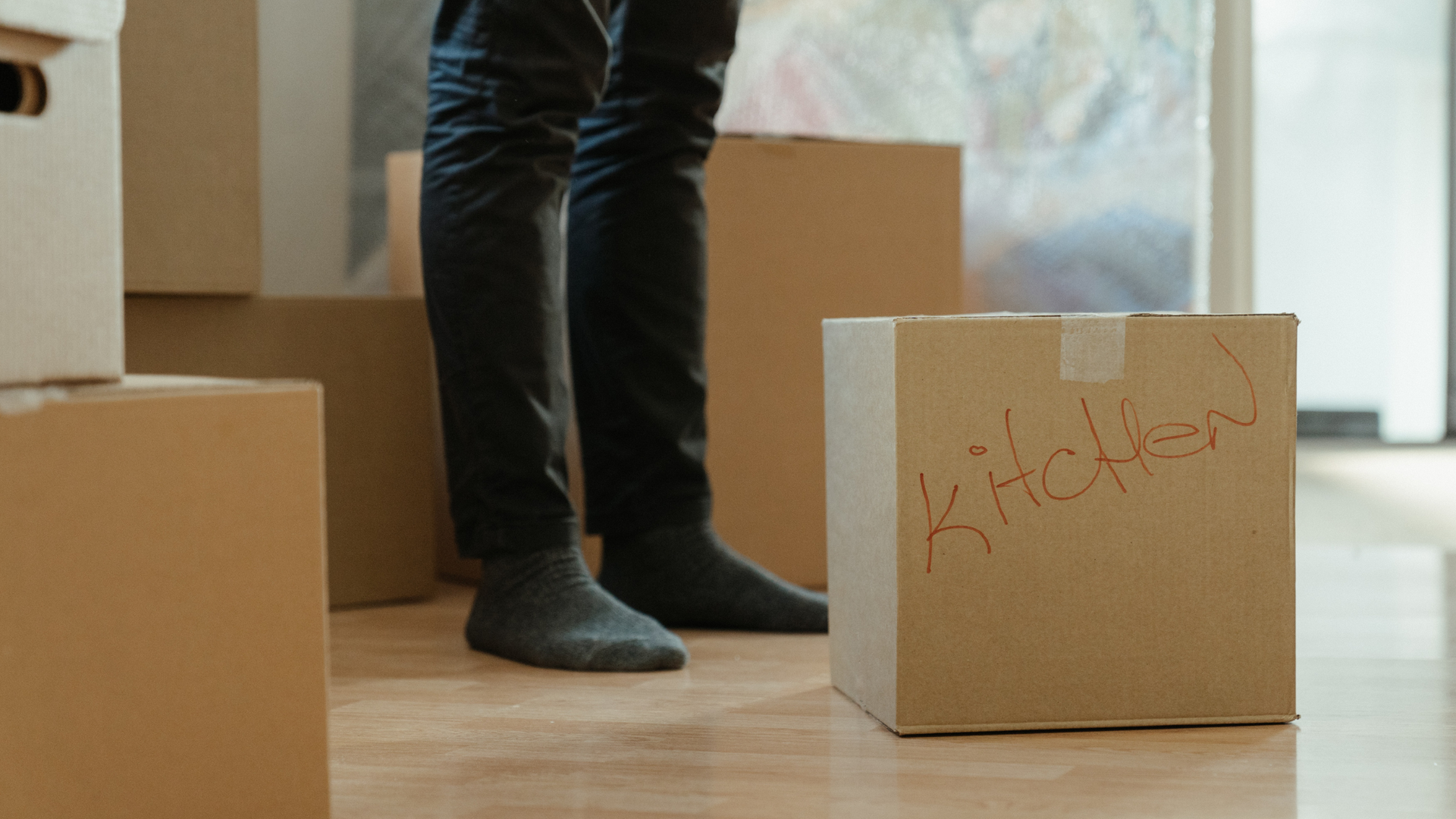
Write the destination room and a brief description of the contents on each box. Labels such as "Kitchen: Baking Supplies" or "Bedroom: Winter Clothes" are more useful than simply writing "Miscellaneous." Mark fragile boxes clearly and keep a basic inventory of valuable belongings. You can number boxes and maintain a list on your phone if you're moving a large household or placing some belongings in storage. Label the sides of boxes rather than only the tops. Once boxes are stacked, you'll still be able to identify their contents without moving everything around.
Two to Three Weeks Before Moving: Pack Most of Your Household
By this point, you should have made substantial progress on belongings that aren't used regularly. Now you can begin packing items you use occasionally while keeping daily necessities accessible. In the kitchen, pack specialty appliances, extra serving dishes, and cookware you won't need for your remaining meals. Leave enough plates, utensils, and basic cooking equipment to get through the final weeks.
Bedrooms can also be packed gradually. Keep the clothing you'll wear before moving day and box up everything else. Store packed clothing in clean, sturdy containers, and avoid overloading boxes with shoes or other heavy items.
Prepare Furniture for Moving
Large furniture deserves attention before the final week. Check which pieces need to be disassembled and whether you'll need tools or assistance to move them. Remove shelves from bookcases when appropriate, secure loose hardware in labeled bags, and keep screws with their corresponding furniture pieces. Take photos before disassembling complicated items, so you have a reference when putting them back together. Measure furniture and doorways at both properties before moving day. Discovering that a large sofa won't fit through an entrance is much easier to address while you still have time to make other arrangements.
One Week Before Moving: Finish Most of Your Packing
With one week remaining, aim to have nearly everything packed except belongings needed for everyday living. Your focus should shift toward preparing the home for moving day rather than sorting through possessions. Finish packing decorative items, spare linens, and anything still sitting in closets or cabinets. Check drawers and less frequently used spaces to make sure nothing has been overlooked. If you've hired movers, confirm the arrival date, parking arrangements, and any special requirements for large items. If you're handling the move yourself, make sure the truck reservation and loading help are arranged.
Pack an Essentials Box
Set aside a clearly labeled box or bag containing belongings you'll need immediately after arriving at your new home. Keep it separate from the boxes being loaded into the moving truck. Include toiletries, a change of clothes, medications, phone chargers, basic cleaning supplies, and enough household essentials for your first night. Important documents, valuables, and essential medications should travel with you rather than being packed into the moving truck or placed in storage. Having these items accessible means you won't need to search through dozens of boxes before settling in.
The Day Before Moving: Handle the Final Details
The day before your move should be reserved for finishing small tasks and preparing the home for departure. Ideally, you won't have entire rooms left to pack. Disconnect electronics you're taking with you, finish packing kitchen essentials, and check that all boxes are securely closed. Keep cleaning supplies available until you've finished emptying the property.
Walk through each room and inspect closets, drawers, cabinets, and outdoor areas. Confirm that furniture is ready to move and that boxes are organized for loading. If you're moving into a new home in Palmdale, plan the order in which belongings will be unloaded. Boxes containing everyday essentials should be easy to reach, while furniture and less frequently used items can be positioned according to where they'll go in the new home.
What If You Only Have One or Two Weeks to Pack?
Not every move comes with several weeks of notice. If you have a short deadline, you'll need to approach packing differently. Start by getting enough supplies for the entire household and focus on packing one room at a time. Instead of spending several days sorting every belonging, prioritize getting items safely packed and clearly labeled. You can still separate obvious donations and unwanted items, but avoid turning the process into a major organizing project. Decisions that aren't urgent can wait until you're settled into your new home. If you're working with a particularly tight schedule, consider asking friends or family for help or hiring professional packing assistance. Fragile belongings and large furniture still need appropriate preparation, even when time is limited.
When Should You Rent a Storage Unit During a Move?
If you're planning to use a storage unit, it's worth making arrangements before your home becomes crowded with packed boxes. The best time depends on when you need to move belongings out of the house and how long you'll need the extra space. Some people begin moving seasonal belongings and rarely used furniture into storage several weeks before their moving date. Others need temporary space because their current lease ends before their new home is ready.
At our facility in Palmdale, we offer month-to-month rental agreements, which are useful when your moving schedule is uncertain. Our property is located at 826 E Avenue R, and standard gate access is available daily from 6:00 AM to 10:00 PM. We also offer an optional 24-hour access add-on for renters who need access outside standard hours.
Choosing the Right Unit Size
The amount you're planning to store determines how much space you'll need. At Stor-All Self Storage, we offer several unit sizes suitable for different moving situations. Our 5x5 units provide 25 square feet of space and work well for smaller belongings, boxes, and seasonal items. A 5x10 unit offers 50 square feet and can accommodate bedroom furniture and additional household belongings.
For larger moves, our 10x10 units provide 100 square feet, while our 10x15 and 10x20 options accommodate more furniture and boxes. We also offer 10x30 units for households that need substantial additional space. The exact fit depends on furniture dimensions, box quantities, and how everything is arranged. If you're unsure which size to choose, make a list of the furniture and boxes you plan to store before selecting a unit. Our team can help you compare available sizes based on your inventory.
Packing Belongings for Temporary Storage
Items going into storage should be packed with the same care as belongings going directly to your new home. Use sturdy boxes, protect fragile pieces, and make sure furniture is clean and dry before storing it. Place heavier boxes at the bottom of stacks and avoid putting excessive weight on containers holding delicate belongings. If you'll need to retrieve certain items before moving into your new home, position them near the front of the unit.
Storage is also useful during other household transitions. Our article about life events that may require extra storage covers situations such as downsizing and changes in living arrangements. If you're moving because of a remodeling project, our guide to using storage during home renovations in Palmdale explains how families can temporarily relocate furniture and other belongings while work is underway.
How to Stay Organized When Packing for a Move
A packing schedule works best when you can easily see what you've finished and what still needs attention. Rather than relying on memory, create a simple checklist organized by room. Set realistic goals based on your available time. Packing a few boxes each evening may be more manageable than reserving an entire weekend for a large portion of the house. Leave extra time for rooms with fragile belongings or items that require disassembly.
Keep completed boxes together in a designated area when space allows. This prevents packed belongings from interfering with daily activities and makes loading easier when moving day arrives. You should also keep track of boxes going to different destinations. If some belongings are going into storage while others are headed directly to your new home, use separate labels or colored stickers so they don't end up in the wrong place.
Make Room for a More Manageable Move in Palmdale
Starting your packing four to six weeks before moving day gives most households enough time to work through their belongings without rushing. If you have a larger home, need to downsize, or have limited time available each week, begin earlier and focus on the rooms you use least. You don't have to keep every packed box inside your home until moving day. At Stor-All Self Storage, our month-to-month rentals allow you to arrange temporary space while preparing for your next home. We also provide electronic keypad gate access and 24-hour video surveillance at our Palmdale property. For households that need somewhere to keep packed boxes or furniture during the transition, it's possible to explore
storage options from Stor-All Self Storage and compare available spaces before deciding how much to move out of the house ahead of time.